• Home
  • IDEAS
  • GROUPS
    • Classical German Philosophy and Phenomenology
    • The quarrel between the ancients and moderns
    • The quarrel between philosophy and poetry
    • Theories of Emotions
    • Philosophies of Image and Imagination
    • Utopia, the Political Myth, and Rebellion
    • The Philosophy of Nature
  • EVENTS
  • PEOPLE
  • ADMISSION
  • CONTACTS
  • CONFERENCES
    • 2016
      • Il tragico nella letteratura tedesca
      • Dialectic and the Ends of Reason
        • Schedule
    • 2015
      • CONVEGNO MELANCOLIA
        • Introduction
        • Schedule
      • CONFERENCE ON THE ANCIENTS
        • Introduction
        • Schedule
      • Immaginazione e Giudizio In Kant
        • Schedule
    • 2014
      • Hegel and the phenomenological movement
  • ODRADEK Journal

Monthly Archives: May 2017

[Reminder] Odradek CFP: Melancholy: black humor and its metamorphoses

30 Tuesday May 2017

Posted by Danilo Manca in CFA-CFP

≈ Leave a comment

Tags

black mood, boredom, depressione, hysteria, mal de vivre, melancholy, melancolia, melancolie, nausea, Sloth, spleen

CALL FOR PAPERS

Melancholy: black humor and its metamorphoses

ODRADEK

Studies in Philosophy of Literature, Aesthetics and New Media Theories

Odradek. Studies in Philosophy of Literature, Aesthetics and New Media Theories is an International Journal (http://zetesis.cfs.unipi.it/Rivista/index.php/odradek/index) founded by Zetesis (www.zetesisproject.com) Research Group on the Quarrel between Philosophy and Poetry. Zetesis is a Research Center related to the University of Pisa History, Philosophy, and Arts Department.

The Journal publishes in online version powered by Open Journal System (OJS)

ISSN: 2465-1060

Section Editor: Valentina Serio (Scuola Normale Superiore, Pisa)

Authors are cordially invited to submit papers for the upcoming fifth edition of the Journal that will deal with Melancholy: black humor and its metamorphoses.

 Submission deadline: 10th June 2017

Language: English, German, Italian, French, Spanish, Portuguese.

The paper can be submitted online via OJS – Open Journal System:

http://zetesis.cfs.unipi.it/Rivista/index.php/odradek/index

Authors can find submission guidelines at the following link:

http://zetesis.cfs.unipi.it/Rivista/index.php/odradek/about/submissions#onlineSubmissions

All papers will be reviewed according to our peer review process policy:

http://zetesis.cfs.unipi.it/Rivista/index.php/odradek/about/editorialPolicies#peerReviewProcess

For any further detail or information please feel free to contact the section editor at:

valentina.serio@sns.it

The problem of melancholy is at the crossroad of a variety of branches of knowledge such as, literature, medicine, fine arts, music, and psychology. Indeed, the concept of melancholy had been employed over the centuries in order to designate different states of mind along with the related somatic symptoms: black mood, Sloth, spleen, mal de vivre, boredom, nausea, hysteria and depression. The protean nature of melancholy is, in fact, the result of a long tradition of reflection on this theme that can be traced back to the Ancient Greece.

Originally, the idea of melancholy comes from ancient Greek medicine, which is based on the study of four fundamental humors (blood, phlegm, yellow and black bile). According to the ancient medical tradition, the different combination of these humors is responsible for different temperaments, or dispositions, and, ultimately, for the health or the illness of human body. In this scenario, black bile – or melancholy, from ancient Greek mèlaina cholé – causes the worst physical and psychological features: ugliness, dullness, idiocy, sadness, foolishness, and so on.

This conception of melancholy as a malady survives during the Middle Age but, in addition, assumes a new religious meaning.

The Renaissance constitutes a turning point for the history of melancholy: at this point, melancholy is associated with genius. Starting from Marsilio Ficino, who retrieves and extensively recasts Aristotle’s Problemata XXXI, the melancholic humor becomes the one proper to geniuses, artists and scholars.

This idea is further developed in the Modern Age by a great number of thinkers and writers (for instance, think of Lawrence Sterne’s use of Burton’s study The Anatomy of Melancholy for justifying the setting out of his Tristram Shandy).

Between 19th and 20th centuries, some historians of art devote their studies to Albrecht Dürer’s Melencolia I and its legacy in the history of modern culture: think, for example, of Carl Gielhow’s Dürers Stich “Melencolia I” und der maximilianische Humanistenkreis, Heinrich Wölfflin’s Die Kunst Albrecht Dürers, and Aby Warburg’s Heidnisch-antike Weissagung in Wort und Bild zu Luthers Zeiten.

In this way, they initiate a new metamorphosis of the understanding of this mood, which is developed in the works of thinkers such as Sigmund Freud, Walter Benjamin, Thomas Mann, Samuel Beckett, and Julia Kristeva.

For the fifth issue of Odradek, we invite contributors to consider a specific topic among the many dimensions of melancholy, and we welcome papers of various disciplines.

In the following list, you can find some possible topics:

Melancholy and music as therapy for the illness
Melancholy, literary genres and styles
Melancholy and its religious meaning, from the sin of Sloth to despair
Melancholy and the anxieties of Modern Age
Melancholy and the nature of the artist
Melancholy in filmography
Melancholy and the Warburg Institute
Versione italiana: Melancolia. Metamorfosi dell’umor nero

La storia della melancolia è certamente una storia ricca e di lunga durata: se volessimo seguirne l’intero percorso, dovremmo indagare a fondo in diversi ambiti: dalla letteratura alla medicina, dalle arti figurative alla musica e alla psicologica.

Il lessico stesso conferma la natura proteiforme di tale soggetto mettendo in risalto tutte le possibili ramifazioni: umor nero, accidia, spleen, mal de vivre, noia, nausea, isteria e depressione.

Originariamente, il concetto di melancolia proviene dalla medicina dell’antica Grecia, basata sulla distinzione di quattro umori fondamentali (sangue, flemma, bile gialla e bile nera). La loro varia combinazione determina temperamenti diversi, così come la condizione di salute o infermità del corpo umano. La bile nera – o melancolia, dal greco mèlaina cholé – causa le peggiori caratteristiche fisiche e psicologiche: bruttezza, idiozia, tristezza, follia e via dicendo.

Tale concezione della melancolia sopravvive nel Medioevo, assumendo nuovi significati religiosi. Il Rinascimento rappresenta un punto di svolta per la storia della melancolia: partendo dalle opere di Marsilio Ficino, in cui si recupera e sviluppa il passo XXXI dei Problemata, la melancolia diviene il temperamento proprio degli uomini di genio, artisti e intellettuali. Una simile idea è poi ulteriormente sviluppata in età moderna da numerosi pensatori e scrittori (solo per citare un esempio, si pensi all’appropriazione, da parte di Lawrence Sterne, dell’Anatomia della melancolia di Burton per giustificare l’impianto del suo Tristram Shandy).

Tra XIX e XX secolo, alcuni storici dell’arte hanno dedicato le proprie ricerche alla Melancolia I di Albrecht Dürer’s e alla sua influenza nella storia della cultura moderna. Si pensi, ad esempio, a Dürers Stich “Melencolia I” und der maximilianische Humanistenkreis di Carl Gielhow, Die Kunst Albrecht Dürers di Heinrich Wölfflin, e Heidnisch-antike Weissagung in Wort und Bild zu Luthers Zeiten di Aby Warburg. In tal modo, essi hanno inaugurato una nuova metamorfosi nella comprensione della melancolia, che include pensatori come Sigmund Freud, Walter Benjamin, Thomas Mann e Samuel Beckett.

Per il quinto numero di Odradek, invitiamo gli autori interessati a considerare su un aspetto specifico dei molti possibili della storia della metamorfosi della melancolia. In particolare, apprezzeremo la capacità dell’autore di muovere fra le diverse discipline coinvolte

Di seguito alcuna lista non esaustiva dei possibili temi:

La melancolia e il suo trattamento medico attraverso la musica
Melancolia, stili e generi letterari
La melancolia e il suo significato religioso, dal peccato d’accidia alla disperazione
La melancolia e le inquietudini dell’età moderna
La melancolia e la natura dell’artista
La melancolia nella filmografia
La melancolia e il Warburg Institute

Share this:

  • Email a link to a friend (Opens in new window) Email
  • Share on Facebook (Opens in new window) Facebook
  • Print (Opens in new window) Print
  • Share on X (Opens in new window) X
Like Loading...

III incontro: Emozioni e Corporeità

24 Wednesday May 2017

Posted by Danilo Manca in seminari

≈ Leave a comment

Tags

al-Razi, Aristotele, Biancamaria Giommoni, cura dell'anima, Galeno, Leonardo Massantini, pudore, Scheler

Oggi, mercoledì 24 maggio, presso aula CAR-B di Palazzo Carità, II piano, avrà luogo il terzo incontro del laboratorio su Emozioni e corporeità, coordinato da Valeria Bizzari e Leonardo Massantini.

Intervengono:
Leonardo Massantini, “Il pudore in Aristotele e Scheler”
Biancamaria Giommoni, “Curare l’anima: i modelli di Galeno e al-Razi a confronto”

Share this:

  • Email a link to a friend (Opens in new window) Email
  • Share on Facebook (Opens in new window) Facebook
  • Print (Opens in new window) Print
  • Share on X (Opens in new window) X
Like Loading...

ODRADEK CFP: Remediation: art, technology and humanity

21 Sunday May 2017

Posted by Danilo Manca in CFA-CFP, Odradek

≈ Leave a comment

Tags

art, augmented reality, cibernetica, cyberculture, Ester Fuoco, humanity, intermedialità, intermediality, literature, McLuhan, media, Net.art, New Media Art, nuovi media, realtà aumentata, realtà virtuale, Remediation, scrittura, technology, tecnologie digitali, Videomapping, virtuality

CALL FOR PAPERS

Remediation: art, technology and humanity

ODRADEK. Studies in Philosophy of Literature, Aesthetics and New Media Theories

Odradek. Studies in Philosophy of Literature, Aesthetics and New Media Theories is an International Journal (http://zetesis.cfs.unipi.it/Rivista/index.php/odradek/index) founded by Zetesis (www.zetesisproject.com) Research Group on the Quarrel between Philosophy and Poetry. Zetesis is a Research Center related to the University of Pisa History, Philosophy, and Arts Department.

The Journal publishes in online version powered by Open Journal System (OJS)

ISSN: 2465-1060

Section Editor: Ester Fuoco (Università degli studi di Milano)

Authors are cordially invited to submit papers for the upcoming fifth edition of the Journal that will deal with

Remediation: art, technology and humanity

Submission deadline: October 30, 2017

Language: English, German, Italian, French, Spanish, Portuguese.

The paper can be submitted online via OJS – Open Journal System:

http://zetesis.cfs.unipi.it/Rivista/index.php/odradek/index

Authors can find submission guidelines at the following link:

http://zetesis.cfs.unipi.it/Rivista/index.php/odradek/about/submissions#onlineSubmissions

All papers will be reviewed according to our peer review process policy:

http://zetesis.cfs.unipi.it/Rivista/index.php/odradek/about/editorialPolicies#peerReviewProcess

For any further detail or information please feel free to contact the section editor at:

fuocoester@gmail.com


A medium is an extension of ourselves, everything that has been created by the human being to increase their possibilities of and related to his body (action, expression, perception). The message of a medium its strictly link to the transformation that’s produced in human relationship and it’s in this aspect that can be defined that the medium is the message (McLuhan 1964).  Remediation is the representation of one medium in another and it’s the key future of new media. Combined technologies and art has redefined and deconstructed the classical paradigms of creative process and aesthetic theories.

Proposals are not limited to, but may address any of the following topics:

  • Ethic and Philosophy of cyberculture
  • New Media Aesthetic
  • Theories and conceptualizations of media in live performance
  • Historical developments and transformations of media
  • New Media Art, Videomapping and Net.art
  • Contemporary manifestations of intermediality
  • Impact of technology on changes in communication paradigms
  • Virtual and augmented reality in contemporary art
  • Technology and literature
VERSIONE ITALIANA:


Remediazione: arte, tecnologia e umanitàUn medium è “ogni estensione di noi stessi”, qualsiasi cosa l’uomo abbia inventato per estendere le possibilità – di azione, comunicazione, percezione – del suo corpo. Il messaggio di un medium o di una tecnologia è nel mutamento di proporzioni, di ritmo e di schemi che introduce nei rapporti umani in questo senso, e solo in questo senso, il medium è il messaggio (McLuhan 1964). La remediazione, la rappresentazione di un medium all’interno di un altro, è una caratteristica fondamentale dei nuovi media digitali. Le nuove tecnologie, applicate alle arti, hanno ridefinito o decostruito i paradigmi tradizionali dei processi creativi e dei canoni estetici di un’opera d’arte.

Si propongono di seguito alcuni spunti di riflessione:

–        Aspetti etici e filosofici della cultura cibernetica

–        Estetica dei nuovi media

–        Teorie e criticità delle tecnologie digitali applicate agli spettacoli dal vivo

–        Evoluzione storica dello sviluppo di nuovi media

–        New Media Art, Videomapping and net.art

–        L’Intermedialità nell’arte contemporanea

–        Impatto delle nuove tecnologie sui paradigmi sociali e della comunicazione

–        Realtà virtuale e realtà aumentata nell’arte contemporanea

–        Nuove tecnologie applicate alla scrittura

Share this:

  • Email a link to a friend (Opens in new window) Email
  • Share on Facebook (Opens in new window) Facebook
  • Print (Opens in new window) Print
  • Share on X (Opens in new window) X
Like Loading...

Lezioni Prof. Mecacci: Dal kitsch al neokitsch

13 Saturday May 2017

Posted by Danilo Manca in suggerimenti eventi

≈ Leave a comment

Tags

Alberto L. Siani, Andrea Mecacci, kitsch, neokitsch, storia dell'estetica


Con piacere segnaliamo che, nell’ambito del corso di Storia dell’Estetica (dott. Siani) il Prof. Andrea Mecacci (Università degli studi di Firenze) terrà due lezioni sul tema: “Dal kitsch al neokitsch”


Dal kitsch al neokitsch


Le lezioni avranno luogo:
– giovedì 18 maggio dalle ore 12.00 alle 13.30
– venerdì 19 maggio dalle ore 12.00 alle 13.30,

presso aula exCh1 (ex Chimica, via Risorgimento).


Share this:

  • Email a link to a friend (Opens in new window) Email
  • Share on Facebook (Opens in new window) Facebook
  • Print (Opens in new window) Print
  • Share on X (Opens in new window) X
Like Loading...

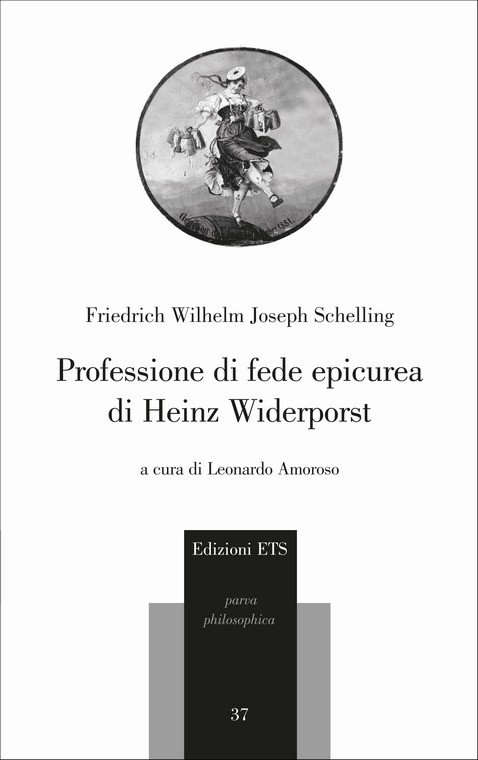
15/05: Lezione del Prof. Amoroso su Heinz Widerpost di Schelling

10 Wednesday May 2017

Posted by Danilo Manca in suggerimenti eventi

≈ Leave a comment

Tags

Amoroso Leonardo, epicureismo, Heinz Widerpost, Rossi Francesco, Schelling

Con piacere segnaliamo che lunedì 15 maggio, dalle ore 12.00 alle ore 13.30, in aula CAR-1 (Polo Carmignani, Piazza dei Cavalieri, 8 – Pisa) il prof. Leonardo Amoroso terrà una lezione dal titolo Un poemetto “epicureo” del giovane Schelling all’interno del corso di Letteratura tedesca 2 del Prof. Francesco Rossi.

La locandina è scaricabile qui.

Share this:

  • Email a link to a friend (Opens in new window) Email
  • Share on Facebook (Opens in new window) Facebook
  • Print (Opens in new window) Print
  • Share on X (Opens in new window) X
Like Loading...
← Older posts

Archivio notizie

Menu

  • ADMISSION
  • Una testimonianza per il futuro dopo la tragedia del coronavirus
  • GROUPS
    • Classical German Philosophy and Phenomenology
    • Philosophies of Image and Imagination
    • The Philosophy of Nature
    • The quarrel between philosophy and poetry
    • The quarrel between the ancients and moderns
    • Theories of Emotions
    • Utopia, the Political Myth, and Rebellion
  • CONFERENCES
    • 2019
      • Gli spazi e i tempi della forma: storia naturale delle rovine
    • 2018
      • Sellars e la filosofia post-kantiana
    • 2017
      • Dialettica della ragione, teleologia e idea di mondo in Kant.
      • La filosofia e il tragico
      • La leggibilità della natura
    • 2016
      • Dialectic and the Ends of Reason
        • Schedule
      • Il tragico nella letteratura tedesca
    • 2015
      • Immaginazione e Giudizio In Kant
        • Schedule
      • MELANCOLIA. Metamorfosi dell’umor nero
        • Introduction
        • Schedule
      • THE WISDOM OF THE ANCIENTS. The German-Jewish Revaluation of Ancient Philosophy
        • Introduction
        • Schedule
    • 2014
      • Hegel and the phenomenological movement
  • CONTACTS
  • EVENTS
  • IDEAS
  • ODRADEK Journal
  • PEOPLE
  • PRESS REVIEW
  • RICORDANDO BARALE

Zetesis FanPage

Zetesis FanPage

I nostri eventi

This slideshow requires JavaScript.

Blog at WordPress.com.

Privacy & Cookies: This site uses cookies. By continuing to use this website, you agree to their use.
To find out more, including how to control cookies, see here: Cookie Policy
  • Subscribe Subscribed
    • zetesisproject.com
    • Join 27 other subscribers
    • Already have a WordPress.com account? Log in now.
    • zetesisproject.com
    • Subscribe Subscribed
    • Sign up
    • Log in
    • Report this content
    • View site in Reader
    • Manage subscriptions
    • Collapse this bar

Loading Comments...

    %d